
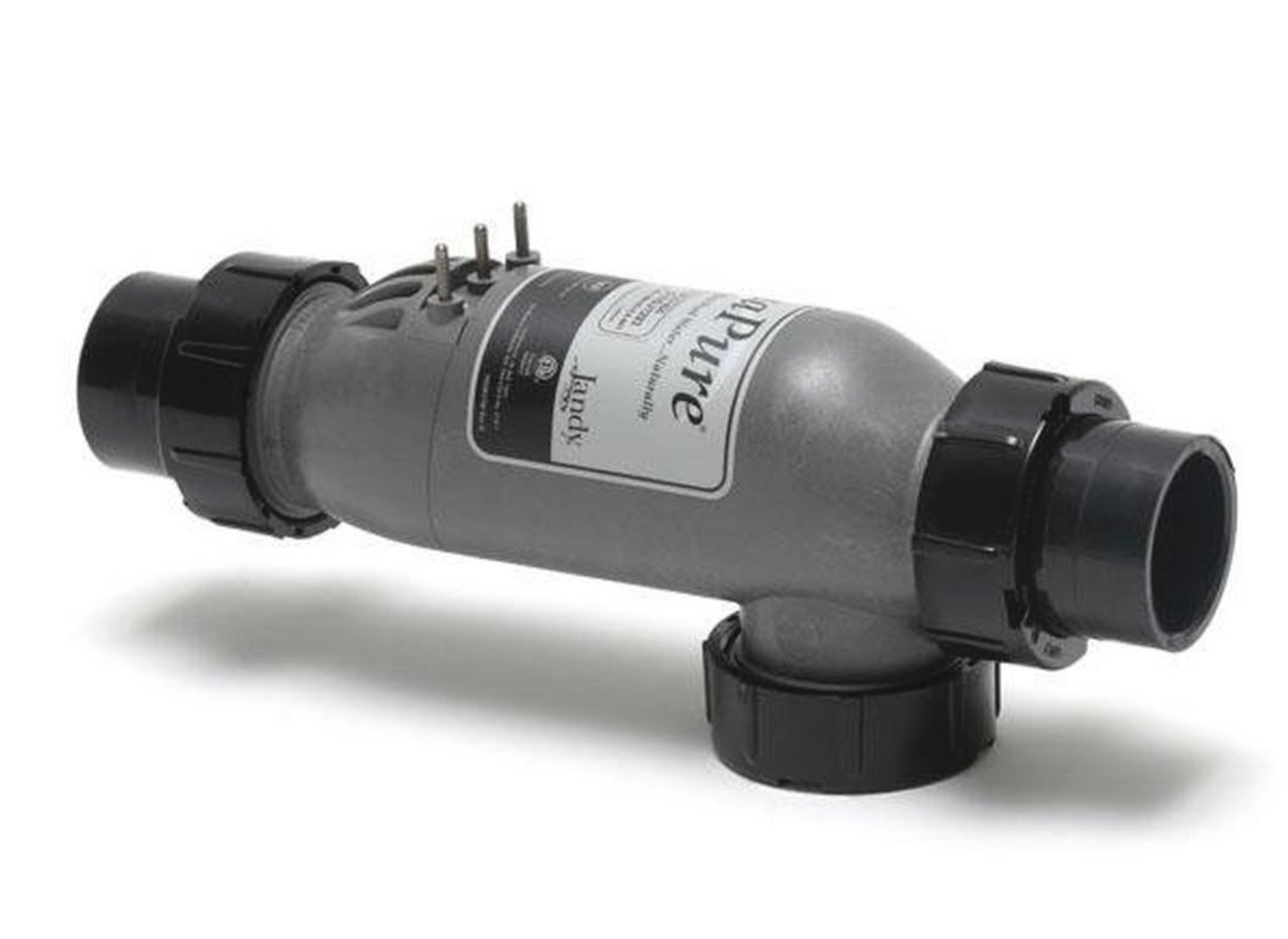
How Often Should Salt Cells Be Cleaned?

Written by
Nortex Pool Team
Published on
June 14, 2026

Saltwater pools have become one of the most popular choices for Frisco homeowners — and for good reason. The water feels softer, it's gentler on eyes and skin, and you don't have to handle chlorine tablets directly. But a saltwater pool is only as good as its salt cell, and a salt cell that isn't cleaned regularly will fail to produce enough chlorine — leading to the same green, unbalanced water you were trying to avoid.

At Nortex Pools, salt cell cleaning and inspection is one of the most common maintenance tasks we perform across Frisco. In this guide, we'll explain exactly how often salt cells should be cleaned, why Frisco's water conditions make this especially important, how to recognize when your cell needs cleaning, and what the cleaning process actually involves.

The Short Answer
Every 4–6 Months — or Sooner
in Frisco's Hard Water

Most salt cell manufacturers recommend cleaning every 3 months as a minimum. In Frisco, where calcium hardness levels are significantly above average, cleaning every 3 months is often more appropriate to prevent heavy scale buildup that reduces cell output and accelerates wear.

What Happens When a Salt Cell
Isn't Cleaned Regularly?

🪨

Calcium Scale Builds Up on the Cell Plates

The #1 Threat to Salt Cell Life

Inside your salt cell, water passes over a series of metal plates (called electrodes) coated with rare earth metals. An electrical current runs through these plates and converts dissolved salt into chlorine. When calcium and other minerals in the water deposit on these plates, they form a hard white crust — commonly called scale.

Even a thin layer of scale acts as an insulator. It prevents the electrical current from making proper contact with the water, which means the cell has to work harder to produce the same amount of chlorine. Over time, heavy scale causes the cell to run hotter, overstress the internal components, and ultimately fail earlier than it should — costing you a full replacement rather than a simple cleaning.

★ Frisco Specific: Frisco's municipal water has high calcium hardness — often 300–400 ppm or higher. This is significantly above the ideal range for saltwater pools (200–400 ppm) and means scale forms faster here than in softer-water regions. Cleaning every 3 months as a national guideline may not be frequent enough for Frisco pools without proper calcium management.
📉

Chlorine Output Drops Without Warning

Your Pool Can Go Green Before You Realize

A scaled salt cell doesn't stop producing chlorine all at once — it gradually produces less. This means your pool may look clear for weeks while the actual free chlorine level slowly drops below safe levels. By the time you notice green water or algae, the cell has been underperforming for some time and the water chemistry has already shifted significantly.

Many saltwater pool owners in Frisco are surprised to find that their control panel shows "normal" salt levels while free chlorine has been low for weeks. The control panel measures salt, not chlorine output. Only actual water chemistry testing tells you whether the cell is producing enough chlorine.

Shortened Cell Lifespan

Neglect Cuts Years Off the Cell's Life

A properly maintained salt cell should last 3–5 years in Frisco's hard water conditions. A cell that is rarely cleaned will often fail in 2–3 years — sometimes less. The reason is thermal stress: when scale forces the cell to work harder and run at higher temperatures to produce the same amount of chlorine, the internal components degrade faster.

Salt cells are not inexpensive to replace — a quality replacement cell for most residential saltwater systems costs several hundred dollars in parts alone, plus labor. Regular cleaning, by comparison, costs a fraction of that and can extend the useful life of the cell significantly.

Signs Your Salt Cell Needs
Cleaning Right Now

🔴

"Check Cell" or "Low Output" Alert

Most saltwater control panels display a warning when the cell detects insufficient flow or output. This is one of the most direct signals that cleaning is needed.

🟢

Pool Water Turning Green or Cloudy

If your water is losing its clarity despite normal salt readings, low chlorine from a scaled cell is the most common cause in saltwater pools.

🧪

Chlorine Consistently Low Despite Normal Salt

If you test your water and find free chlorine is low even though salt levels are in range, the cell is not converting salt to chlorine efficiently — scale is the likely cause.

🪨

Visible White Deposits on the Cell Plates

If you remove the cell and can see white, chalky buildup on the electrode plates, the cell is overdue for a cleaning. Heavy scale will appear thick and crusty.

📈

Control System Running Cell at Max Output

If your system is automatically pushing the cell to 80–100% output just to maintain chlorine levels, it's working harder than it should — often because scale is reducing efficiency.

📅

It's Been More Than 3 Months

Even if you're not seeing warning signs yet, if it's been over 3 months since the last cleaning — especially in Frisco's hard water — it's time. Don't wait for symptoms to appear.

How to Clean a Salt Cell —
Step by Step

1

Turn Off the Pool System

Before removing the salt cell, shut off the pump and put the control panel in service mode or turn the system off entirely. Never remove the cell while the pump is running — water under pressure will spray and the electrical components must not be energized during removal.

2

Remove the Salt Cell from the Plumbing

Unplug the cell's electrical connector first, then unscrew the unions on both ends of the cell housing. Most cells twist out with a quarter turn. Inspect the O-rings on both ends as you remove the cell — cracked, flattened, or brittle O-rings should be replaced at every cleaning to prevent leaks when reinstalling.

3

Inspect the Plates Visually

Hold the cell up to a light source and look through the electrode plates. Light scale will appear as a thin, chalky white film. Heavy scale looks thick, rough, and may reduce the visible space between plates significantly. Note the severity — light scale may rinse away with water alone, while heavy buildup will require an acid wash.

4

Rinse with a Garden Hose First

Before using any acid solution, try rinsing the cell with a firm stream of water from a garden hose. Aim directly at the plates and rinse thoroughly. Light, fresh scale will often rinse away completely without needing acid. If white deposits remain after rinsing, proceed to the acid wash step.

5

Acid Wash for Stubborn Scale

For scale that doesn't rinse away, prepare a diluted muriatic acid solution — 4 parts water to 1 part muriatic acid (always add acid to water, never water to acid). Drop or pour into the cell and let it soak for 5–10 minutes. You'll see the solution fizzing as it dissolves the calcium deposits. Do not leave acid in the cell longer than 15 minutes — prolonged exposure damages the cell's coating.

6

Rinse Thoroughly and Neutralize

Dump the acid solution into a bucket (never onto landscaping or down a drain), then rinse the cell thoroughly with a hose until the water runs completely clear. Inspect the plates again — they should look clean, silver or grey, with no white deposits remaining. If scale persists, a second short soak may be needed.

7

Reinstall and Test

Replace any worn O-rings with new ones, reinstall the cell, reconnect the electrical plug, and restart the system. After 24–48 hours of operation, test your free chlorine level to confirm the cell is producing properly. A clean cell should restore chlorine output noticeably within one cycle.

★ Safety Note: Muriatic acid is a strong acid that causes burns on contact with skin and eyes, and releases harmful fumes. Always wear chemical-resistant gloves, eye protection, and work in a well-ventilated area. If you're not comfortable handling acid, this is a task Nortex Pools handles as part of our regular service visits.

Why Frisco's Hard Water Makes
Salt Cell Cleaning More Critical

💧

Hard Water + Salt Cell = Faster Scale Buildup

What Frisco pool owners need to know about local water chemistry.

Frisco's municipal water supply is notably high in calcium and magnesium — the minerals that cause hard water. This isn't unique to Frisco, but North Texas water hardness is consistently above the national average, which has real consequences for saltwater pool owners.

When calcium-rich water passes through a salt cell repeatedly and gets heated slightly by the electrolysis process, calcium deposits precipitate out of solution and bond to the electrode plates. The higher the calcium hardness in your source water, the faster this happens. Where a pool owner in a soft-water region might genuinely get away with cleaning every 4–6 months, Frisco pool owners often need to clean every 3 months to stay ahead of scale buildup.

Beyond cleaning frequency, managing calcium hardness in the pool water itself is the other key lever. Keeping calcium hardness in the 200–400 ppm range — and ideally toward the lower end of that range for saltwater pools — slows the rate of scale formation on the cell plates. If your fill water is already at 350–400 ppm, partial water replacement and use of a scale inhibitor become important tools.

Salt Cell Cleaning Schedule
by Condition

ConditionRecommended Cleaning FrequencyPriority
Standard maintenance (soft water)Every 4–6 monthsRoutine
Frisco / North Texas (hard water)Every 3 monthsIncreased Frequency
Calcium hardness above 400 ppmEvery 3 monthsUrgent Attention
After extended heavy pool useInspect and clean as neededCheck More Often
"Check Cell" warning displayedImmediatelyDo Not Delay
Low chlorine despite normal salt levelImmediatelyDo Not Delay
New cell installationFirst inspection at 4–6 weeksEstablish Baseline

Want Nortex Pools to Handle Your Salt Cell Cleaning?

We inspect and clean salt cells across Frisco as part of our regular service. We carry the right tools and arrive fully stocked — most cleanings are completed in a single visit.

📞 Call (469) 616-1122

Tips to Make Your Salt Cell
Last Longer in Frisco

01

Manage Calcium Hardness

Keep calcium hardness between 200–400 ppm, ideally toward the lower end for saltwater pools. The lower the calcium in the water, the slower scale builds on the cell plates.

02

Use a Scale Inhibitor

A quality scale and stain inhibitor added to the pool regularly can significantly slow calcium deposition on cell plates, heat exchangers, and other equipment. Especially important in Frisco's hard water.

03

Keep pH in Range

High pH accelerates scale formation. Keep pH between 7.4–7.6. pH above 7.8 not only reduces chlorine efficiency but also causes calcium to precipitate out of solution much faster — directly onto your cell plates.

04

Don't Run Cell at 100% Constantly

Running your salt cell at maximum output continuously generates more heat, which accelerates plate wear. If your cell is always running at max, it may need cleaning — or your salt level or run time may need adjustment.

05

Replace O-Rings at Every Cleaning

Fresh O-rings prevent leaks and ensure the cell is sealed properly. A leaking cell connection exposes the electrical components to moisture and can cause early failure. O-rings are inexpensive — replace them every time.

06

Schedule Professional Inspections

Have Nortex Pools inspect your salt cell at every service visit. Catching early-stage scale and minor issues before they develop protects the cell and keeps chlorine output consistent all season.

Common Questions About Salt Cell
Cleaning in Frisco, TX

Can I clean my salt cell myself, or should I hire a professional?
Light cleaning with a garden hose rinse is something most homeowners can do themselves. The acid wash process requires handling diluted muriatic acid, which requires proper protective gear and ventilation — it's manageable for a careful DIYer but is something Nortex Pools handles as part of regular service if you'd prefer not to deal with it. We also inspect the O-rings, cell body, and control connections at the same time, which catches issues a rinse-only cleaning might miss.
What is the right acid-to-water ratio for cleaning a salt cell?
The standard recommendation is 4 parts water to 1 part muriatic acid. Always add the acid to the water — never add water to acid, as this causes a dangerous reaction. Some manufacturers recommend an even more diluted mix for newer cells or light scale. Check your specific cell manufacturer's guidelines, as over-acidifying can damage the cell's coating and shorten its life.
My saltwater pool keeps turning green even though I just cleaned the cell. Why?
If the pool is still losing chlorine after a cleaning, the issue may be more than just scale. Possibilities include: the cell is aging and producing below normal output even when clean (cells over 3–4 years old in Frisco's hard water), the salt level is outside the recommended range, pH is too high (reducing chlorine effectiveness), or the run time isn't long enough to maintain adequate sanitization. Nortex Pools can test all of these factors and identify the root cause.
How long does a salt cell last in Frisco, TX?
With proper cleaning and water chemistry management, a salt cell in Frisco typically lasts 3–5 years. Frisco's hard water means cells that are rarely cleaned or have consistently high calcium hardness in the pool may fail in 2–3 years. Consistent cleaning every 3 months and keeping calcium hardness in the lower half of the acceptable range are the two biggest factors in maximizing cell life.
Does Nortex Pools service and clean salt cells in Frisco?
Yes — salt cell inspection, cleaning, and replacement are a standard part of our service in Frisco. We carry cleaning supplies and common replacement O-rings on every vehicle, so most salt cell service is completed in a single visit. We also test your water chemistry and advise on any adjustments needed to slow future scale buildup.
Schedule Service

Book Your Free Quote

Fill out the form and we'll confirm your appointment within two business hours. Our technician arrives on time, diagnoses the problem, and presents a clear written quote before any work begins.

(469) 616-1122
Frisco, Texas — Exclusively
What Frisco Homeowners Say

Real Repairs. Real Results.

From gated communities to established neighborhoods — Frisco homeowners share their experience with Nortex Pools.

Nortex Pools did an excellent job replacing my old Pentair white pool and spa lights with Jandy LED color lights. Fareed replaced the lights, tested them and showed me exactly how to switch between colors and modes. He even made sure everything is ready to be installed properly after the plaster crew finishes plastering the pool tomorrow, Very professional and knowledgeable. Highly recommended for pool light replacement and LED upgrades
— Boun Prani
Fareed and his team were great. They installed a new heater for our hot tub within a couple of hours. He explained the process, installed, tested it and showed us how to work it. He also helped us troubleshoot some other minor pool issues. Will be keeping his number on speed dial for any future issues. 👍
— Bobby
"Nortex Pools provides the best weekly pool cleaning service in Frisco. They are very reliable, always on time, and keep my pool crystal clear. They handle everything from chemical balancing to brushing and filter cleaning. Highly recommend them if you need professional pool maintenance in Frisco."
— Larry Sheik Hossein